
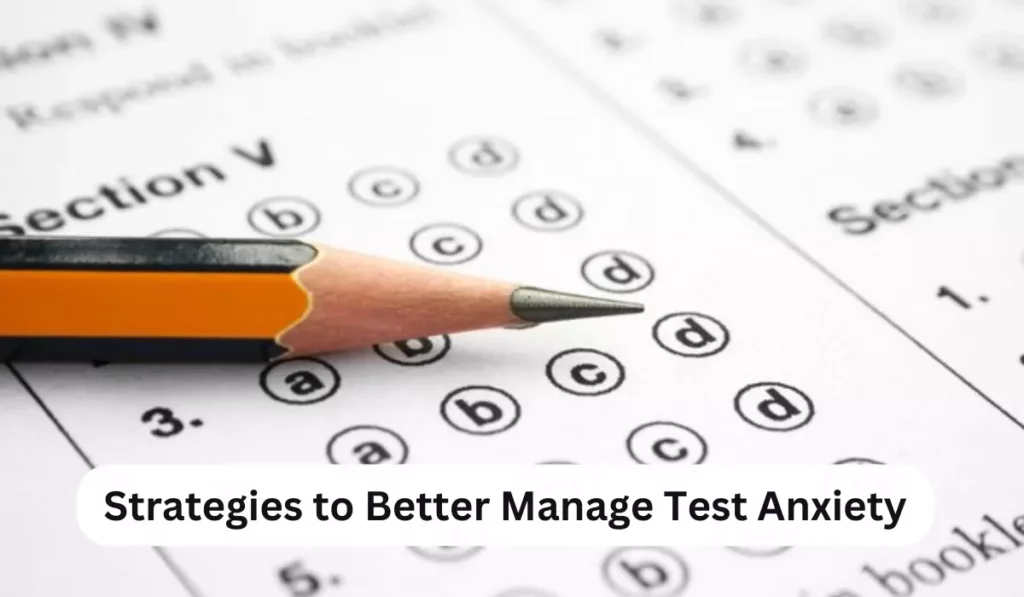

Test anxiety is the pressure of scoring better grades felt by the students around the time of tests. Every student needs strategies to better manage test anxiety because it can negatively affect how you do on tests. You may have prepared well before the tests, but the anxiety can ruin your results if not handled properly.
In this article, I will discuss strategies to better manage test anxiety and score better grades. The strategies are for managing the test anxiety before the tests, during the test, and after the tests. Let’s start.
Studying for midterms requires strategic planning and effective study techniques. Start by reviewing your class notes, textbooks, and any supplementary materials provided by your instructor. Create a study schedule that allocates specific times for each subject or topic you need to cover. Use active study methods such as summarizing key points, creating flashcards, practicing past exams or quizzes, and teaching the material to someone else. Take short breaks during study sessions to maintain focus and prevent burnout. Additionally, ensure you get adequate rest and stay hydrated to optimize your concentration and memory retention.
Before the tests
Test anxiety can arise within a week or a month before the actual tests. It can negatively affect your preparations and ruin your test results. Follow the tips given below to handle test anxiety properly:
- Plan your study schedule and study regularly to prepare well for the tests.
- Sleep for about 7-8 hours in the night. Adequate sleep is necessary for a healthy mental environment.
- Finish your syllabus before the tests and have enough time for revision.
- Go through practice questions and solve them to improve your test preparations.
- Simulate the test environment by solving sample or mock test papers in a time-bound environment.
- Review your past test results, identify the areas of improvement, and work on those areas.
- Do not allow outside pressures like peer pressure, competing with classmates, etc., to ruin your preparation. Get into the mindset of following the process properly and release the attachment to the result.
Mnemonic techniques for studying involve using memory aids or strategies to improve retention and recall of information. These techniques can include acronyms, visualization, association with familiar concepts, creating rhymes or songs, or using memory palace methods. By associating new information with familiar or easily remembered elements, mnemonic techniques help make complex information more memorable and easier to recall during studying or exams.
On the day of the test and during the test
Test anxiety can negatively affect your performance during the test. To manage test anxiety on the day of the test or during the test, do the following:
- Arrange everything you require during the tests, like a pen, water bottle, etc.
- Focus on the present and think about the question you are answering.
- Sleep well in the night before the exams. Have a sleep of 7-8 hours.
- Believe in and trust your preparations. Do positive self-talk like “I can do well in tests,” “I trust my preparation,” “I will do well,” etc.
- Avoid excessive coffee or any other caffeine products, as they can increase anxiety.
- Be on time and arrive early if possible.
- Change the sitting positions to relax your body.
- Proofread and revisit your answers before submitting your test answer sheet. Proofreading decreases errors and improves trust and belief in your answers.
Becoming a straight-A student involves dedication, effective study habits, and strategic approaches to learning. Start by attending classes regularly, actively participating, and taking comprehensive notes. Organize study materials, create a study schedule, and set achievable goals for each study session. Utilize active learning techniques such as summarizing, teaching the material, or creating concept maps. Practice consistent revision and review of course materials to reinforce learning. Prioritize tasks, manage time efficiently, and seek help or clarification when needed. Finally, maintain a healthy balance between academics, relaxation, and self-care for overall success.
After the test
Test anxiety can cause unnecessary stress and tension after the test and affect physical and mental health. To manage test anxiety after the test, do the following:
- Reward yourself for all the hard work and preparation you did for the test.
- Reflect on your mistakes if the test result is not as expected. Improve those mistakes to perform better in future tests.
Getting an A+ on every exam requires comprehensive preparation and effective study strategies. Start by understanding the exam format and the material that will be covered. Review lecture notes, textbooks, and supplementary materials thoroughly. Create a study schedule that allows ample time to cover all topics, focusing on areas that need more attention. Use active studying techniques such as practice questions, summarizing key points, and teaching the material to someone else. Prioritize understanding concepts over rote memorization, and seek clarification on unclear topics. Finally, ensure you are well-rested, nourished, and manage stress effectively before the exam day.
Final Words
Managing test anxiety is crucial for your good grades. Test anxiety can negatively affect your preparation and test performance or cause unnecessary stress after the test, affecting your mental and physical health. Follow the discussed strategies to handle test anxiety properly and score good grades.