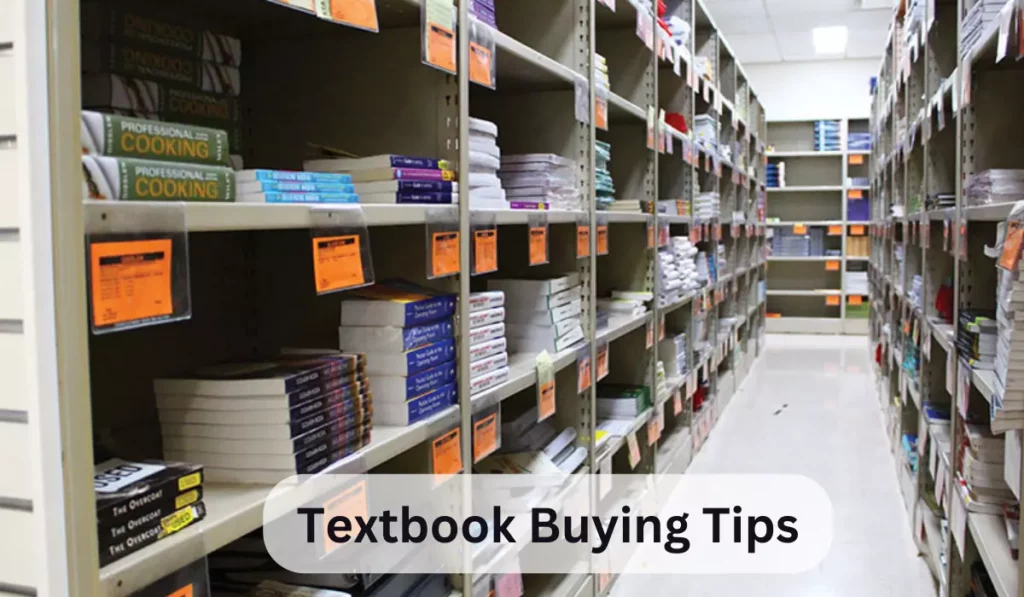

As college tuition costs continue to rise, so do the expenses associated with textbooks. The high prices of new textbooks can put a strain on students’ budgets.
In this comprehensive guide, we will explore various tips and techniques for buying textbooks at more affordable prices, including purchasing used books, exploring online resources, utilizing library services, and participating in book trading and swapping platforms.
1. Buy Used Textbooks and Sell Them Back
Buying Used Textbooks:
One of the most cost-effective approaches to saving money on textbooks is buying them used. Many online marketplaces, such as Half.com, offer a wide selection of used textbooks at significantly lower prices compared to new editions.
By purchasing used editions and ensuring they are well-maintained, students can save a substantial amount of money.
Selling Them Back:
To further reduce costs, students can sell their textbooks back to other merchants once they’ve finished using them.
Online marketplaces provide an opportunity to sell books back at a reasonable resale value. By following this approach, students can significantly minimize their overall expenses.
2. Use ISBN Numbers for Accurate Price
When searching for textbooks at the best prices, it’s essential to use the unique ISBN numbers assigned to each edition.
The ISBN, which can be found on the back of the book, allows for quick and accurate searches, ensuring that students find the exact edition they need. Using ISBN numbers helps avoid purchasing the wrong edition or different books with similar titles.
3. Explore Free Online Resources
Before embarking on textbook shopping, it’s worth checking various online platforms that offer free access to textbooks. Websites like BookBooN, FlatWorldKnowledge, and TextbookRevolution provide a range of textbooks that can be accessed online at no cost. Utilizing these resources can significantly reduce the financial burden of purchasing textbooks.
4. Utilize Library Services
College libraries offer a wealth of resources, and textbooks are no exception. Students may be able to borrow textbooks directly from their college libraries.
However, it’s recommended to visit the library before the start of the semester to secure copies early.
Additionally, students can explore inter-library loan programs that allow them to borrow textbooks from other libraries within lending consortia.
Programs like the Tampa Bay Library Consortium, OhioLINK, and Texshare extend the range of available textbooks.
5. Engage in Book Trading and Swapping
Book trading and swapping platforms provide an excellent opportunity for students to exchange books they no longer need for textbooks required in their courses.
Platforms like Swapbooks and CollegeSwapShop facilitate these swaps, connecting students who can mutually benefit from sharing their resources.
Engaging in book trading and swapping allows students to save money while also promoting a sustainable and collaborative approach to textbook acquisition.
6. Start Early and Research Options
To make the most of textbook savings, it’s crucial to start researching and shopping well in advance. Colleges are required to publish course schedules with ISBN numbers and retail prices, allowing students to compare prices and make informed decisions before the start of the semester.
By planning ahead, students can secure the best deals and avoid the last-minute rush.
Conclusion
Purchasing college textbooks doesn’t have to break the bank.
By following these 6 tips and strategies, students can significantly reduce their textbook expenses and allocate more of their budget towards other educational needs.
Whether it’s buying used books, exploring online resources, utilizing library services, or participating in book trading and swapping platforms, there are numerous avenues to save money on textbooks. Visit our website for more resources and a curated list of the best textbook search engines. Happy hunting!
Visit our website for more resources and a curated list of the best textbook search engines. Start saving today!
Sources:
- International Standard Book Number (ISBN) (https://www.isbn-international.org/content/what-isbn)
- Half.com – Buy and Sell Used Textbooks (https://www.half.com/)